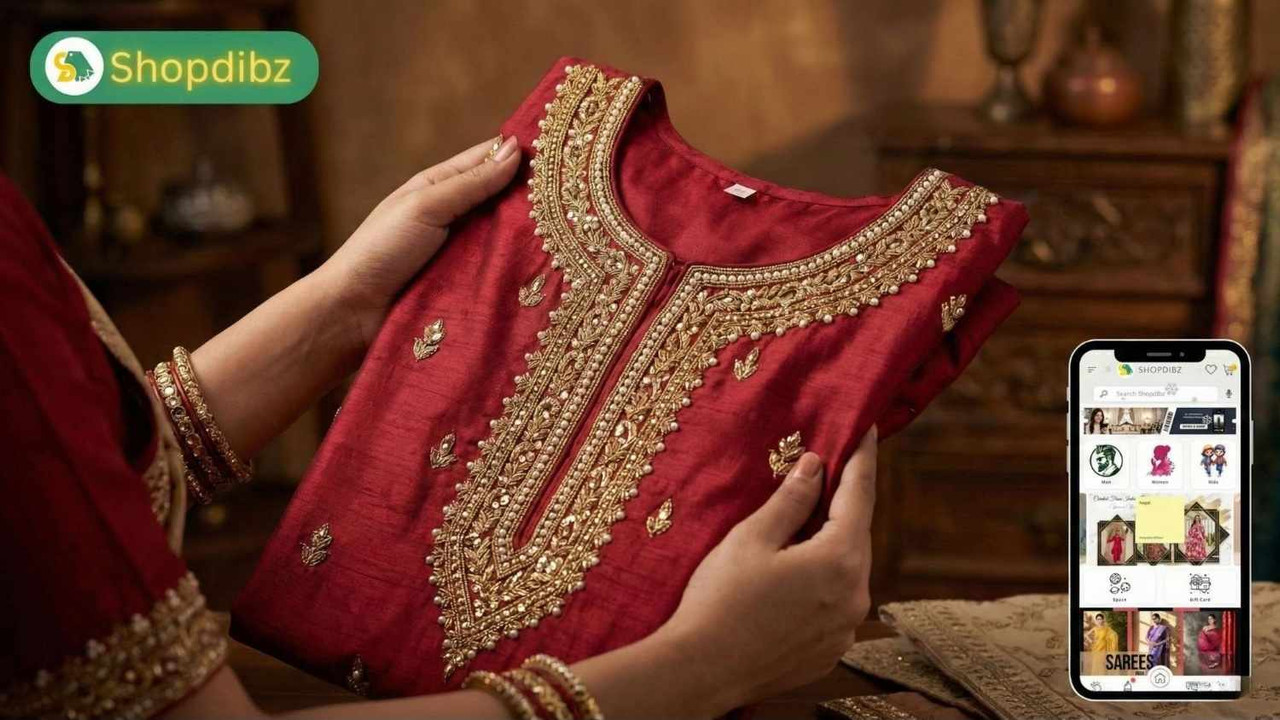
In the rich tapestry of Indian fashion, where every stitch tells a story, the embroidered kurti set stands out as a masterpiece of craftsmanship and elegance. More than just an attire, it's a wearable piece of art, showcasing the incredible skill of Indian artisans and the diverse embroidery traditions that have flourished for centuries across the subcontinent. From delicate thread work to dazzling embellishments, an embroidered kurti set transforms a simple silhouette into a garment of stunning beauty, perfect for making a sophisticated statement at any special occasion.
The Rich Tapestry of Indian Embroidery
India is a land of myriad embroidery styles, each with its unique history, technique, and aesthetic. An embroidered kurti set can feature a variety of these intricate works:
- Chikankari (Lucknow): Known for its delicate white-on-white shadow work, often done on fine cotton, mulmul, or georgette. It exudes understated elegance and is perfect for both casual chic and semi-formal events.
- Zardozi (Lucknow, Hyderabad, Delhi): A lavish form of embroidery using gold and silver threads, often embellished with pearls, beads, and precious stones. Zardozi kurti sets are ideal for grand weddings and festive celebrations.
- Aari Work (Kashmir): Characterised by fine, chain-like stitches using a special hook, creating intricate floral and paisley patterns. Often seen on silks and wool blends, it adds a touch of Kashmiri artistry.
- Gota Patti (Rajasthan): Originating from Rajasthan, this involves appliqué work using small pieces of zari ribbon sewn onto the fabric to create elaborate patterns, typically used in festive and bridal wear.
- Phulkari (Punjab): Meaning 'flower work', Phulkari uses vibrant silk threads to create bold floral and geometric patterns, known for its dense, vibrant coverage, especially on dupattas and kurtis for cultural festivals.
- Mirror Work (Gujarat, Rajasthan): Involves stitching small, reflective pieces of mirror onto the fabric, often combined with colourful thread work. It adds a playful yet traditional sparkle, popular for festive wear and Navratri celebrations.
- Kashmiri Embroidery (Kashmir): Features intricate motifs of chinar leaves, paisley, and flowers, often done in vibrant or earthy tones on wool or silk, creating a rich, textured look.
Fabrics and Occasions
The choice of fabric for an embroidered kurti set is crucial and often dictated by the occasion and the type of embroidery:
- Cotton & Linen: Perfect for Chikankari or simpler thread work, suitable for sophisticated daytime events, office wear (with subtle embroidery), or casual gatherings.
- Silk & Georgette: Ideal for Zardozi, Aari, or elaborate thread work, making these sets perfect for weddings, receptions, and grand festive occasions.
- Velvet: For winter events, a velvet kurti set with intricate embroidery exudes warmth and regal luxury.
Styling Your Embroidered Masterpiece
When styling an embroidered kurti set, let the embroidery be the star:
- Jewellery: Choose jewellery that complements the embroidery. If the work is heavy, opt for simpler, elegant pieces. For delicate embroidery, you can go for statement earrings or a necklace.
- Footwear: Embellished juttis, traditional mojris, or elegant heels will complete your look.
- Dupatta: If the kurti is heavily embroidered, a simpler, matching or contrasting solid dupatta can balance the look. If the kurti is subtle, a heavily embroidered dupatta can elevate the entire ensemble.
Leading Indian fashion brands and local boutiques across cities like Delhi (Chandi Chowk, Lajpat Nagar), Lucknow (Hazratganj), and Jaipur (Johari Bazaar) are treasure troves for exquisite embroidered kurti sets. Online platforms also offer a vast array from various artisans and designers. Investing in an embroidered kurti set is investing in a piece of Indian heritage, a garment that speaks volumes about tradition, artistry, and timeless grace. It's a cherished addition to any Indian woman's festive and celebratory wardrobe.
