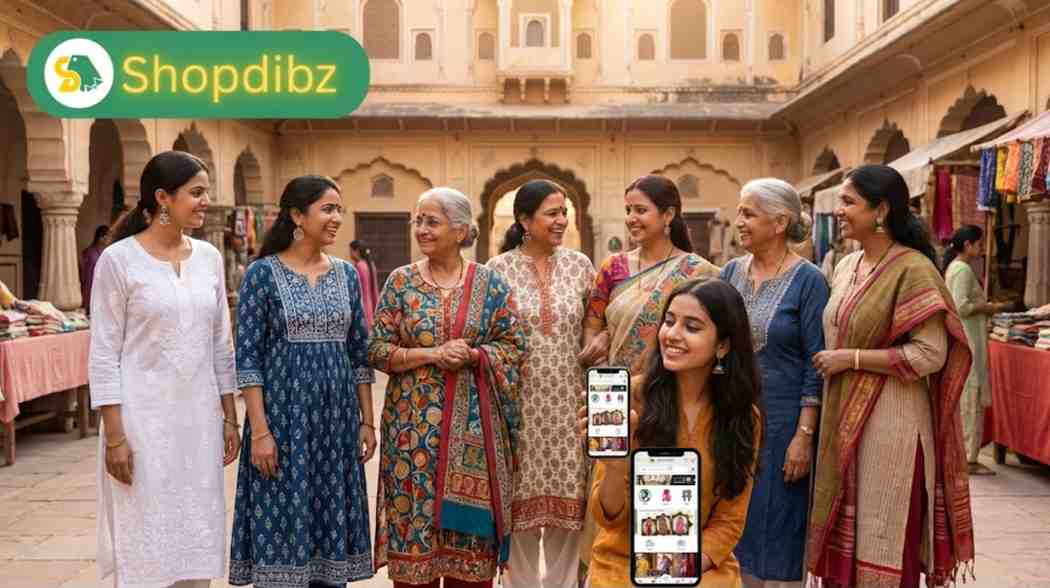
The Ethnic Kurti is more than just a piece of clothing; it's a vibrant tapestry woven with threads of India's rich cultural heritage. A staple in every Indian woman's wardrobe, it embodies elegance, comfort, and versatility, adapting seamlessly to various occasions, from daily wear to grand celebrations. Its enduring charm lies in its ability to carry traditional artistry while evolving with contemporary fashion sensibilities.
What Defines an Ethnic Kurti?
An Ethnic Kurti is characterised by its traditional Indian design elements, including:
- Fabrics: Natural fabrics like cotton, silk, linen, khadi, and rayon are commonly used, reflecting regional textile traditions.
- Prints and Patterns: Block prints (like Sanganeri, Bagru, Ajrakh), Kalamkari, Bandhani, Ikat, Paisley, and floral motifs are quintessential.
- Embroidery: Hand embroidery techniques such as Chikankari (Lucknow), Phulkari (Punjab), Kantha (West Bengal), Zardosi, and Gota Patti (Rajasthan) are often seen.
- Silhouettes: While modern cuts exist, traditional A-line, straight, Anarkali, and Angrakha styles remain popular.
The beauty of the Ethnic Kurti lies in its ability to tell a story – a story of regional craftsmanship, generational techniques, and artistic expression. Each print, weave, and stitch often has cultural significance, making the garment truly unique.
Exploring Diverse Regional Ethnic Kurti Styles:
- Chikankari Kurtis (Lucknow): Known for their delicate white thread embroidery on pastel fabrics, offering an elegant and subtle look. Perfect for summer and semi-formal gatherings.
- Rajasthani Block Print Kurtis: Featuring vibrant colours and intricate patterns from techniques like Sanganeri and Bagru. These are often made from comfortable cotton and are ideal for daily wear or casual outings.
- Kalamkari Kurtis (Andhra Pradesh/Telangana): Distinguished by hand-painted or block-printed mythological narratives or floral designs, typically on cotton. They offer an artistic and traditional appeal.
- Phulkari Kurtis (Punjab): Characterised by vibrant, geometrical floral embroidery that covers the fabric, Phulkari Kurtis are celebratory and full of life, often worn during festivals like Baisakhi.
- Ikat Kurtis (Odisha/Telangana): Known for their distinctive blurry patterns created by a resist dyeing technique. Ikat Kurtis are contemporary yet rooted in tradition, suitable for both casual and semi-formal occasions.
Styling Your Ethnic Kurti
The versatility of the Ethnic Kurti makes it easy to style for various occasions:
- Casual Day Out: Pair a printed cotton ethnic kurti with jeans, leggings, or comfortable palazzos. Add juttis or Kolhapuri chappals and a simple sling bag for a relaxed look.
- Office Wear: Opt for a subtle Chikankari or a single-colour ethnic kurti with straight pants or churidars. Keep accessories minimal with delicate earrings.
- Festive & Semi-Formal: Choose an embroidered silk or rayon ethnic kurti and pair it with a matching or contrasting dupatta, churidars, or shararas. Accessorise with traditional jewellery like jhumkas or bangles.
From the bustling markets of Delhi to the artisanal workshops of Jaipur, the Ethnic Kurti remains a testament to India’s rich textile heritage. It allows women to express their cultural identity with pride and elegance, bridging the gap between historical craftsmanship and contemporary fashion. Whether you prefer minimalist designs or elaborate embellishments, there’s an Ethnic Kurti waiting to become your new favourite wardrobe essential.
Embrace the beauty of tradition and celebrate Indian craftsmanship by adding diverse Ethnic Kurtis to your collection. They are not just clothes; they are stories draped in style.
