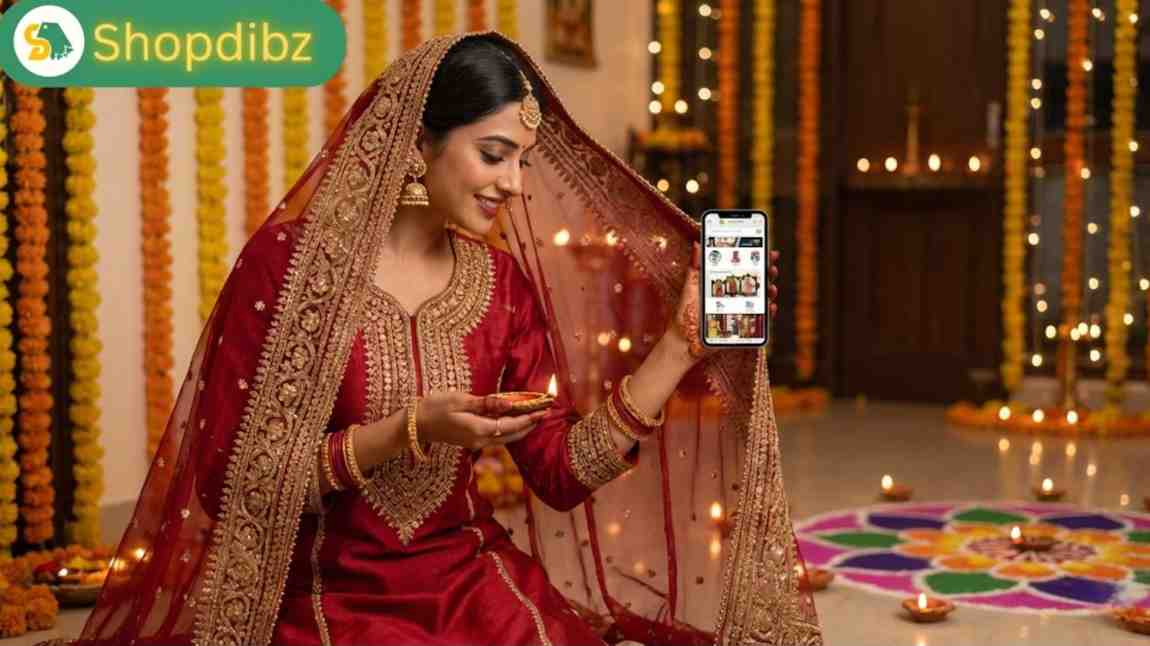
In the vibrant tapestry of Indian culture, festive occasions are incomplete without the splendour of traditional attire. Among the myriad choices, the Traditional Kurti Set with dupatta holds a special place, embodying grace, cultural richness, and timeless elegance. This classic ensemble, steeped in heritage, is a preferred choice for festivals like Diwali, Navratri, Eid, Onam, Pongal, and family pujas, allowing women to celebrate with poise and panache.
The Essence of a Traditional Kurti Set with Dupatta
A traditional Kurti Set typically comprises three integral components:
- The Kurti: Often featuring traditional cuts like straight, A-line, or Anarkali, adorned with classic Indian embroidery or prints.
- Bottom Wear: Usually a churidar, salwar, or traditional palazzo, chosen to complement the kurti's style.
- The Dupatta: The most distinguishing feature for festive wear, often matching or contrasting, and heavily embellished or printed, adding a layer of grandeur and cultural significance.
Fabrics and Embellishments for Festive Traditional Kurti Sets:
To truly shine during festive occasions, the choice of fabric and ornamentation is crucial:
- Luxurious Fabrics: Silks (Banarasi, Tussar, Chanderi), Georgette, Raw Silk, and Velvet are popular choices for their rich texture and festive sheen.
- Exquisite Embroidery: Look for Zari, Zardosi, Gota Patti, Resham work, Mirror work, Kundan, and intricate sequence embellishments. These traditional techniques add depth and sparkle.
- Traditional Prints: Block prints like Sanganeri, Bagru, Ajrakh, or Bandhani, often enhanced with subtle embroidery, give a truly ethnic feel.
- Rich Colours: Deep jewel tones like maroon, royal blue, emerald green, ruby red, and golden are perennial favourites. Pastels with metallic accents are also trending for a softer, elegant festive look.
Styling Your Traditional Kurti Set with Dupatta for Festivities
- Anarkali Sets: A floor-length Anarkali in silk or georgette with elaborate Zari work, paired with a heavy dupatta, is ideal for grand events like weddings or major festivals. Drape the dupatta elegantly over one shoulder or across both arms.
- Palazzo Sets: A straight-cut or A-line kurti with broad palazzos in a rich fabric, featuring Gota Patti or mirror work, offers comfort and style. A sheer net or embroidered dupatta completes this modern traditional look.
- Sharara/Gharara Sets: For a vibrant and playful festive look, especially popular in North India, choose a shorter kurti with tiered shararas and a matching embellished dupatta.
- Classic Salwar-Kameez Style: A traditional Punjabi or Patiala salwar with a medium-length kurti and a heavily embroidered Phulkari or Chanderi dupatta is perfect for Baisakhi or Lohri.
Accessorising your Traditional Kurti Set is paramount. Pair it with traditional Indian jewellery such as jhumkas, chandbalis, Kundan necklaces, and stacks of bangles. Embellished mojris, juttis, or elegant high heels are the preferred footwear. Complete the look with a potli bag or an embroidered clutch. Hair tied in a neat bun adorned with gajra, or soft curls, enhances the traditional appeal. Makeup can be bold, featuring dark kohl eyes and a rich lip colour, or subtly radiant, depending on the occasion.
Whether you're celebrating Lohri in Punjab, Durga Puja in West Bengal, or Onam in Kerala, a meticulously chosen Traditional Kurti Set with dupatta allows you to partake in the festivities while exuding a timeless charm that honours India's diverse sartorial heritage. Embrace the elegance and celebrate your roots with this quintessential Indian attire.
