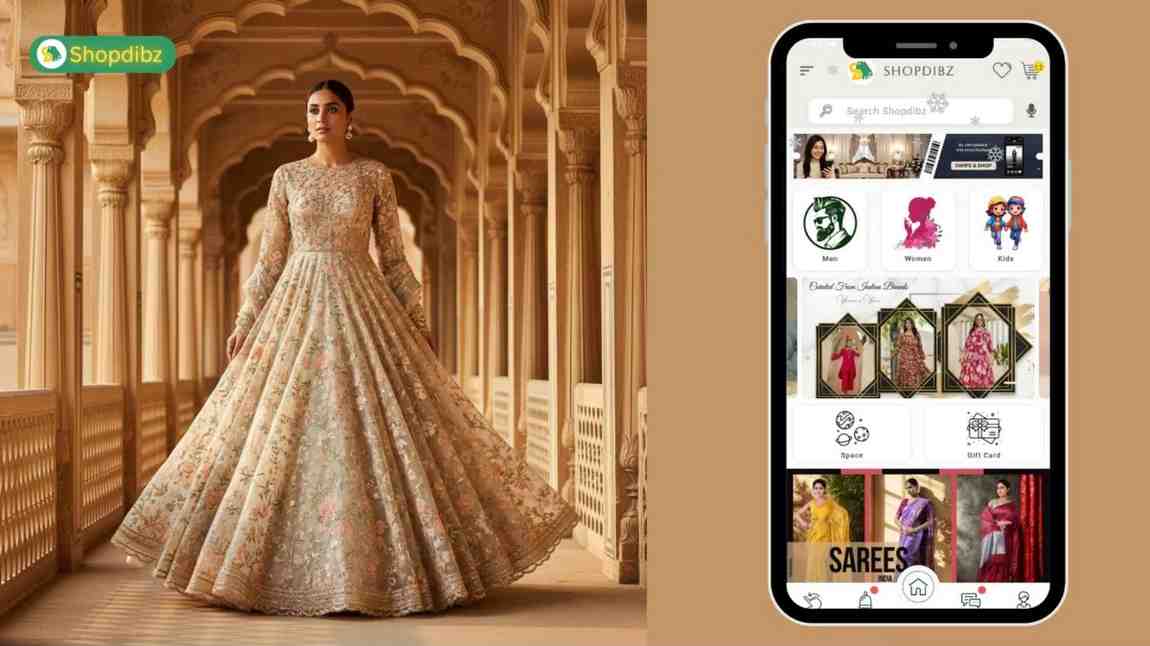
The Renaissance of the Kalidar
The Anarkali suit has long been the crown jewel of Indian ethnic wear, a garment that whispers tales of Mughal courts and timeless grace. However, the contemporary Indian woman demands a fusion of heritage and high fashion. This demand has given rise to modern anarkali silhouette trends that honor the Swadeshi spirit while embracing global aesthetics. It is no longer just about volume; it is about structure, movement, and the subtle art of reinvention.
1. The Asymmetrical High-Low Cut
Gone are the days when a uniform hemline was the only standard of elegance. One of the most striking trends this season is the asymmetrical or high-low hemline. This silhouette offers a playful yet sophisticated peek at the intricate churidar or palazzo pants beneath. It breaks the monotony of the traditional flare, adding a dynamic architectural element to the outfit. Perfect for cocktail evenings or sangeet ceremonies, this cut allows for easier movement while maintaining that regal sweep.
2. The Jacket-Style Overlay
Layering is central to the Premium Swadeshi 2.0 aesthetic. The jacket-style Anarkali introduces a structured, often heavily embroidered jacket over a simpler, flowing inner layer. This trend creates a slimming vertical line and adds a touch of aristocracy to the ensemble. Whether it is a floor-length sheer cape or a cropped velvet koti, this silhouette bridges the gap between the structured sherwani and the fluid Anarkali.
3. The Gown-Anarkali Hybrid
For the modern woman who walks the line between ethnic roots and western sensibilities, the gown-style Anarkali is the ultimate choice. This silhouette eliminates the need for a heavy dupatta, focusing instead on a cinched waist and a voluminous, floor-grazing skirt. Often crafted in fluid fabrics like georgette or silk crepe, these pieces feature fusion elements like cape sleeves or belted waists, making them ideal for reception parties where comfort meets couture.
Embracing the Evolution
As we witness the evolution of modern anarkali silhouette trends, it becomes clear that Indian fashion is not stagnant. It is a living, breathing entity. By choosing these contemporary cuts, you are not discarding tradition; you are carrying it forward, draped in the luxury of modern craftsmanship.
